Followers

9/11/10

Tamale / Tamal

Sweet Tamal with Cheese and Dulce de Leche


Mexico is the country with the most extensive variety of tamales (tamalli, from clasical Náhuatl). Each region and state has its own type of tamal, so many that the variety is believed to reach 500 to 1000 in the entire country.

Mexican history and archeological evidence show that tamales were part of everyday life during prehispanic times in cultures such as Olmec, Aztec and Mayan. In some special ceremonies young hunters offered their prayers to the God of Fire and the priests would give them tamales in return - warm, cooked tamales symbolically transformed by fire. 

Today, tamales are an important part of the Mexican diet and are very popular during festivities such as Christmas, the Day of the Dead and Mexican Independence Day. 

My family only prepares tamales during Christmas time. A few days before Christmas every year, my sister and I get together at my mom's home for our annual tamalada. We make tamales of all kinds; chicken with vegetables, pork and beef with red sauce, some with spinach for the vegetarians in the family, and we also make some sweet ones with pineapple, raisins, and nuts. It takes us about two days to finish but we always have a great time laughing and sharing stories.


I broke away from the tradition of making tamales only once a year and I have prepared them about 4 times this year, and a couple of times I have made them by myself! Of course, I didn't make hundreds but I made a good number and they were all good. I came up with this recipe which my family has not made, but I can't wait to prepare this recipe with my sisters in our annual tamal making party at Christmas.

I used the tejolote to weigh down the husks into the hot water 

Zucchini Blossom Tamales 

Ingredients (28-30 tamales):
30 dried corn husk, soaked in warm water until softened, drained well
1/4 lb. lard (may be substituted with vegetable shortening or butter)
1 Tbs. baking soda
Salt to taste
1-2 lb. prepared corn masa or use 1 lb. masa harina (Maseca brand will work)
2 cup chicken or vegetable broth (some times more)
15-20 zucchini blossoms, pistil removed and chopped
1 cup chopped zucchinis
1/2 cup corn kerrnels
1 lb. queso fresco, sliced (if queso fresco is not available use a fresh mild feta cheese)


Masa:
Beat the lard and baking soda until spongy. In a separate bowl, combine the masa or masa harina with salt and add the broth a little bit at a time. Beat for 10 minutes. Combine with the lard and continue beating for 2 more minutes or until smooth and easy to spread. Stir in the chopped vegetables and  the corn. Taste and correct seasoning, if needed add more salt (masa should taste a little saltier than normal).


Assembling tamales:
Spread 1-1/2 tablespoons of masa on a corn husk leaving about 1/2" clean space on all sides of the husk. Top the masa with 1 or 2 slices of cheese. Fold the long edges toward the center to enclose the filling. Fold one end of the husk about  half way to give it shape. Place on a tray being careful so the filling doesn't come out. Repeat with the rest of the corn husks.

I found another good use for my Molcajete - to weigh down the lid of my steemer

To cook the tamales:
Pour 4 cups of water in a large steamer. Stand the tamales upright around the edge folded end down. Cover and cook for 1 hour, until the tamales are cooked through and the filling pulls away from the husk. Serve warm or at room temperature.

Enjoy with your favorite hot sauce


Lazy Blog and Kitchen Club have invited all bloggers to participate in a Mexican food contest and I'm submitting this recipe with the purpose of sharing another dish of my beloved Mexican food of which I'm very proud.



8/6/10

Eating Rainbows / Comiendo Arco Iris

Flan with Peach and Cherries / 
Flan con Duraznos y Cerezas


Cherries / Cerezas


Edamame


Beans / Frijoles


Zucchini Blossom / Flor de Calabaza


Tomatoes / Tomates


Green and Red Tomato Salad / 
Ensalada de Tomate Verde y Rojo


Black, Red and White Radishes / 
Rábanos Negros, Blancos y Rojos


Orchids / Orquídeas


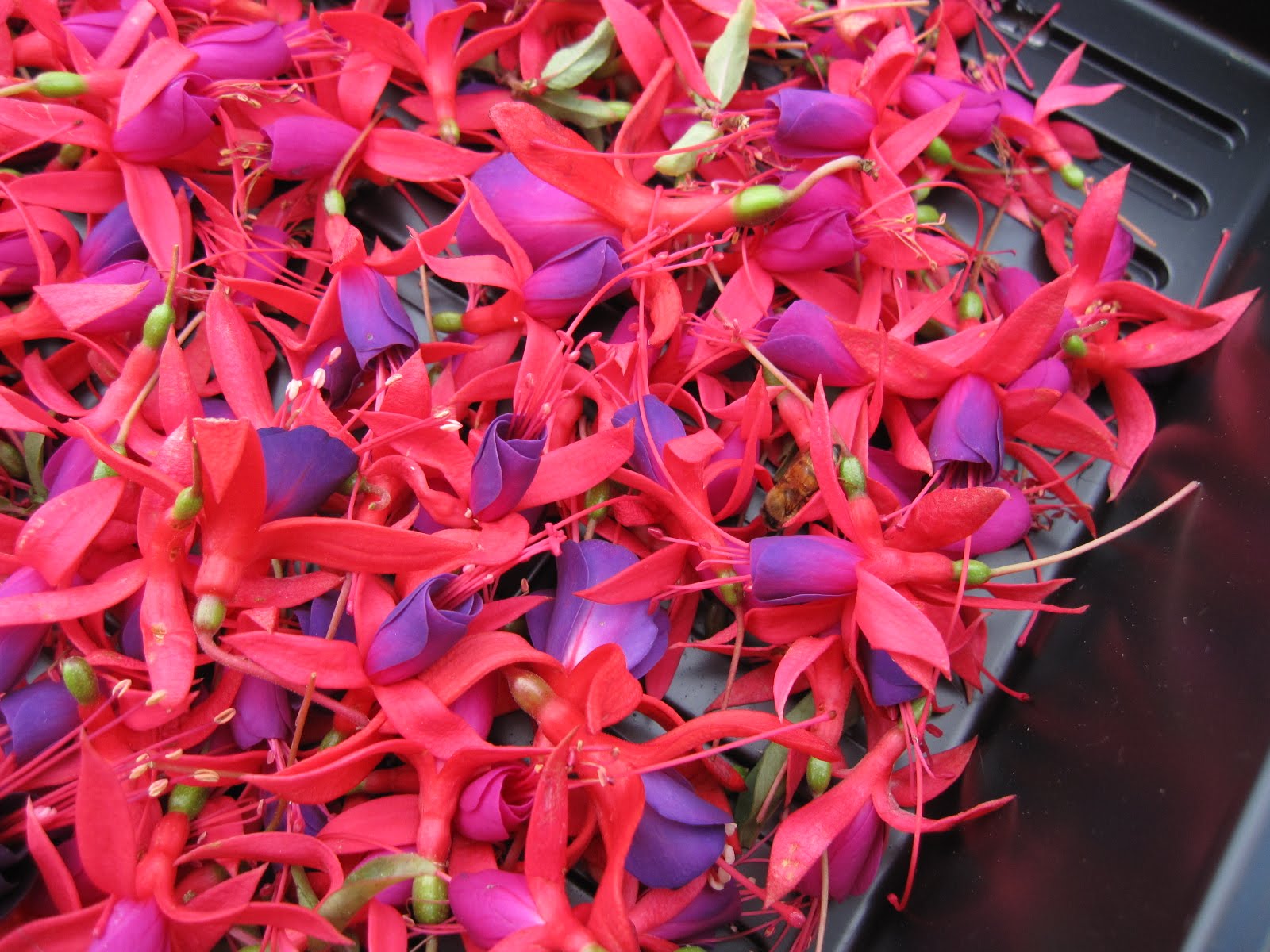
Fushias / Aretes


Carrots / Zanahorias


Fruit Dessert / Postre de Frutas


Blackberries and Raspberries / 
Moras y Frambuesas


White Cucumber / Pepino Blanco


Pomegranate / Granada


Green, Red and Yellow Bell Peppers / 
Chiles Morron Verde, Rojo y Amarillo


Chile de Arbol


Red Beets / Betabel Rojo


Golden Beets / Betabel Amarillo


Eggplant / Berenjena


And Beer to Wash Everything Down /
Y Cerveza Para Pasarselo Todo

7/21/10

Solo Para Los Hispanoparlantes

He recibido varios comentarios y mensajes pidiendo que escriba mi blog en español. Quiero decirles que mis posts también están en español. Bueno, no todos pero muchos si. Todos los post que tienen titulo en los dos idiomas están traducidos al español y podrán leerlos en su idioma predilecto (ingles o español). Solo tienen que buscar el link en español que se encuentra al final de cada post y que dice "Para Español pulsar aquí". Continuare con las traducciones que me faltan para que puedan disfrutar de todos mis post. Muchas gracias a todos los que me visitan y me dejan comentarios y me mandan mensajes de email. Les agradezco sus atenciones y sus sugerencias.

Un caluroso saludo para todos.

7/10/10

Spill the Beans / Suelta la Sopa


Native to the New World, beans are loaded with nutrition and protective benefits. They are rich in protein, fiber, B-vitamins and several minerals.  Beans are delicious, easy to cook, easily available, and inexpensive. There is also a great diversity of beans with a wide range of tastes and colors.


Pinto beans is what I grew up eating. There is always a pot of beans cooking on the stove in my childhood memories. My father wouldn't forgive my mom if beans were not served with every meal - he loved beans and so do I!  Up until last year pinto beans were the most used in my kitchen, and on occasions, I cooked black beans but that was it. I didn't use any other beans. Last year I visited a Farmers' Market in Tucson and I discovered a lady that was selling different kinds of beans. Since then I have been trying all kinds of new varieties, at least new to me.


The beans I cook now are not just any beans. I buy them at a very special place and they come from very special seeds. They are from Native Seed/SEARCH which is a nonprofit conservation organization based in Tucson, Arizona. They conserve and distribute  diverse varieties of agricultural seeds from southwest USA and northwest Mexico. "Ancient Seeds for Modern Needs..." is their motto. Some of their work includes Community Seed Grants and Renewing America's Food Traditions, both of which are very important initiatives in these times when food security and loss of healthy eating habits are a huge problem in America. Their work also touches me in a more personal level because, being born in Mexico and married to an American, I feel this kind of work brings my two worlds together. Through the food of my ancestors I can share my Mexican traditions and history with my American husband and his family. But to the beans! As my husband would say; "Stop rambling and spill the beans."


There are many recipes for beans but I like mine very simple so I can enjoy their individual flavors. However, there is a soup that I like so much -Tortilla Soup- but since it is traditionally made with chicken, I can not prepare it for my vegetarian husband. So, I created a Tortilla Soup made with bean broth instead of chicken. It is very simple but we love it.


First the basic recipe for pot beans:


Frijoles de la Olla
(Pot beans)
1 lb. dry beans, your favorite variety
1 medium onion, cut in half
3 garlic cloves, peeled
1 sprig of epazote (if not available use cilantro)
Salt to taste

Clean the beans by picking out any dirt or pebbles and rinsing in cold water several times until the water come out clean. (Some people soak the dry beans for several hours before cooking them. I don't. You can soak them or you can do as I do and skip this step.) Place beans in a large pot (olla) and cover with at least 6 cups of cold water, add onion, garlic and epazote and bring to a rapid boil. Reduce heat to very low and simmer until they are fully tender, 1 to 2 hours. After 40 minutes check the water level and, if low, add boiling water as needed (we'll need 4 cups of broth for our tortilla soup). When the beans are completely cooked, season with salt to taste, remove onion, garlic and epazote, and the beans are ready to serve as is or to use in other recipes.

Bean Tortilla Soup

2 C. pot beans 
4 C. bean broth 
1/2 C. vegetable oil for frying 
4 corn tortillas, cut into thin strips and fried
2 small tomatoes, seeded and chopped
2 green onions, chopped
1 large jalapeño pepper, seeded and chopped
1 T. cilantro, finely chopped
1 t. lemon juice
Salt to taste
1/2 C. shredded cheese (preferably queso cotija)
For garnish: 1 avocado, diced
In a large pot heat beans and broth and keep them hot. In a separate pan heat about 1/2 inch of oil and fry the tortilla strips a few at a time until crispy. Remove from oil and place on paper towels to drain. In a bowl, mix all the vegetables together, add lemon juice and salt to taste. Distribute the vegetables, cheese and tortilla strips among 4 individual bowls. Ladle the hot beans and broth into each bowl and garnish with diced avocado. 


Enjoy!